Here’s a 30-minute HIIT MMA Fitness Workout. No equipment is needed, though you can add a punching bag or pads if you have them. Adjust intensity or reps based on your fitness level.
Warm-Up (5 minutes)
Jumping Jacks – 1 minute
Shadowboxing (jab-cross combos) – 1 minute, light and fast
Shooting range firearm rules can vary depending on the specific range, whether it’s indoor or outdoor, public or private, and the local laws or policies in place. However, there are common safety and operational rules that most ranges enforce to ensure the safety of all participants. Below is a general overview of typical firearms rules at shooting ranges, based on widely accepted standards and practices:
These foundational rules are universal and typically posted at ranges:
Treat Every Firearm as if It’s Loaded: Always assume a gun is ready to fire, even if you believe it’s unloaded.
Keep the Muzzle Pointed in a Safe Direction: Firearms must remain pointed downrange (toward the targets and backstop) at all times to prevent accidental harm.
Keep Your Finger Off the Trigger: Do not touch the trigger until you are on the firing line, aiming at your target, and ready to shoot.
Know Your Target and What’s Beyond It: Ensure your bullets will strike the intended target and be safely stopped by the range’s backstop or berm.
These rules often supplement the basic safety principles and address range operations:
Firearms Must Be Unloaded When Not in Use: Guns should be unloaded, with actions open (e.g., slides locked back or bolts open), when brought to or from the range or when not actively firing.
Case/Uncase Firearms Only at the Firing Line: Many ranges require firearms to be cased or holstered when entering or leaving, and only uncased or handled in designated shooting stalls or lanes.
Obey Range Commands: Range Safety Officers (RSOs) or staff may issue commands like “Cease Fire,” “Range is Hot,” or “Range is Cold.” These must be followed immediately:
Cease Fire: Stop shooting, unload your firearm, open the action, and step back from the line.
Range is Hot: Firing is permitted after confirming no one is downrange.
Range is Cold: No one may handle firearms while others are downrange (e.g., setting up targets).
Eye and Ear Protection Required: Shooters and observers must wear appropriate protective gear at all times on the range.
No Handling Firearms During a Cold Range: When people are downrange, firearms must remain untouched, unloaded, and grounded (e.g., on the bench with actions open).
Stay Behind the Firing Line: Only shooters actively firing may be at the line; no one is allowed forward of it unless the range is cold.
Ammunition and Firearm Restrictions
Approved Ammunition Only: Many ranges prohibit tracer, incendiary, armor-piercing, or steel-core ammunition due to fire hazards or damage to backstops. Some indoor ranges require full metal jacket (FMJ) ammo and ban reloaded or hand-loaded rounds.
Caliber Limits: Restrictions may apply (e.g., no .50 BMG or centerfire rifles over a certain caliber at some ranges).
No Fully Automatic Fire: Unless specifically allowed (e.g., at ranges with special permits), full-auto firing is often prohibited.
Rental Firearms: If using range-provided guns, you may be required to use their ammunition to ensure compatibility and safety.
Behavioral and Operational Rules
No Alcohol or Drugs: Possession or use of intoxicating substances is strictly forbidden, and anyone appearing impaired will be removed.
Age Restrictions: Minors (often under 18) must be accompanied by an adult, with minimum age requirements (e.g., 10 or 13) for shooting.
One Shooter Per Lane: Typically, only one person may shoot per lane at a time, though some ranges allow a coach or observer.
No Rapid Fire (Sometimes): Some ranges enforce a minimum time between shots (e.g., 1-3 seconds) to maintain control and safety.
Approved Targets Only: Paper or cardboard targets are standard; photorealistic human images, bottles, cans, or other objects may be banned.
Clean Up After Yourself: Shooters are often responsible for collecting brass (spent casings), removing targets, and disposing of trash.
Range-Specific Variations
Indoor Ranges: May prohibit drawing from holsters, restrict calibers to prevent backstop damage (e.g., no rifles over .223), or ban shotguns unless using slugs.
Outdoor Ranges: Might allow more flexibility (e.g., holster draw with certification) but enforce stricter rules on ammunition or target placement to keep rounds within the range.
Public vs. Private: Public ranges (e.g., state-managed) may require permits or licenses (like a hunting license), while private ranges might have membership rules or stricter oversight by RSOs.
Consequences of Violations
Range staff or RSOs have the authority to inspect firearms, enforce rules, and remove violators. Unsafe behavior can lead to ejection, fines, or legal action, depending on the facility and jurisdiction.
If you have a specific range in mind, let me know its name or location, and I can tailor the response further by searching for its exact rules. For now, these reflect the standard practices you’d encounter at most shooting ranges as of March 7, 2025. Always check the posted rules at your chosen range before shooting, as they take precedence.
A 3-day fast, often referred to as a short-term or intermittent fast, can offer several potential benefits, though the science varies in strength depending on the claim. Here’s a rundown of the benefits based on current understanding, followed by what you should drink during the fast.
Autophagy Boost: After about 24-48 hours without food, your body may ramp up autophagy—a cellular cleanup process where damaged components are recycled. This is often cited as a key benefit, though human studies are still catching up to animal research. It’s linked to longevity and disease prevention in theory.
Improved Insulin Sensitivity: Fasting can lower blood sugar and insulin levels, giving your system a break from constant glucose processing. This might help with metabolic health, especially if you’re prone to insulin resistance.
Fat Loss: With no incoming calories, your body taps into fat stores for energy after depleting glycogen (stored carbs). A 3-day fast could kickstart ketosis, where fat becomes the primary fuel source. Weight loss is often noticeable, though some of it’s water weight initially.
Mental Clarity: Many report a sharper focus after the first day or two, possibly due to ketone production (a brain-friendly fuel) or fewer blood sugar swings. Anecdotally, it’s a big draw for fasting enthusiasts.
Gut Rest: Giving your digestive system a break might reduce inflammation or reset gut bacteria, though this is less studied in short fasts. It’s more of a perk if you’ve been overloading your system with heavy meals.
Discipline and Reset: Psychologically, it can build willpower and break unhealthy eating habits, acting as a “hard reset” for your relationship with food.
Caveats: Benefits depend on your starting health, how you break the fast, and whether you overcompensate with eating afterward. It’s not a magic bullet—consult a doctor if you’ve got medical conditions like diabetes or low blood pressure.
To stay hydrated and safe, stick to non-caloric fluids. Here’s the lineup:
Water: The MVP. Plain water (still or sparkling) keeps you hydrated and flushes out toxins. Aim for 2-3 liters daily, more if you’re active or in a dry climate.
Electrolyte Drinks (No Sugar): Sodium, potassium, and magnesium get depleted during fasting. You can sip on water with a pinch of high-quality salt (like Himalayan pink salt) or a sugar-free electrolyte mix. Bone broth is an option if you’re doing a “modified” fast, but it has calories, so it technically breaks a strict fast.
Black Coffee: No cream, sugar, or sweeteners. Caffeine can suppress appetite and boost alertness, but don’t overdo it—too much can stress your adrenals or dehydrate you.
Plain Tea: Green, black, or herbal (no honey or milk). It’s hydrating and can add variety. Avoid fruit-flavored teas with hidden sugars.
Apple Cider Vinegar (Diluted): Optional—1-2 teaspoons in water might help with appetite control and blood sugar stability, but it’s not essential.
Rules: Zero calories is the goal for a strict fast. Avoid diet sodas or anything with artificial sweeteners—some say they spike insulin or cravings, though evidence is mixed. Listen to your body; if you feel faint or off, add electrolytes or stop.
Quick Tips
Sip throughout the day, don’t chug—helps avoid stomach upset.
Break the fast gently (e.g., broth or light food) to avoid digestive shock.
If it’s your first time, start with a 24-hour fast and work up.
Imagine a world where you could shed those extra pounds effortlessly. A world where you could eat whatever you wanted, whenever you wanted, and still, your waistline would continuously shrink. That’s the dream, isn’t it? It’s the promise that many fad diets make, the promise that has us jumping from one diet to the next, hoping that maybe this time, this diet will be the magic solution.
But, let’s get real. Deep down, we all know that this dream is just that – a dream. Something not grounded in reality. And yet, we continue to chase it, hoping against hope that maybe, just maybe, it will come true.
Don’t beat yourself up about it. It’s human nature to seek out the path of least resistance. But in the journey of weight loss, this path often leads us astray. It’s time to face the truth: most diets don’t work. And here’s why.
The Problem with Most Diets
Many diets are built around the concept of restriction. Whether it’s cutting out carbs, fat, or sugar, the idea is the same: by eliminating a certain type of food, you can force your body to lose weight. But here’s the thing: our bodies are not designed to function this way. We need a balanced diet to stay healthy and happy.
When we deprive ourselves of certain food groups, we’re not just cutting out calories—we’re also cutting out essential nutrients. This can lead to a host of health issues, from fatigue and mood swings to more serious problems like nutrient deficiencies.
Plus, let’s not forget the elephant in the room: diets are hard to stick to. They require immense discipline and willpower, and let’s face it, life can get in the way. A stressful day at work, a night out with friends, a family celebration—these are all situations where sticking to a strict diet plan can feel nearly impossible.
The Solution: Healthy Nutrition Habits and Regular Exercise
So, if most diets don’t work, what does? The answer is simple: a balanced, healthy diet combined with regular exercise. It might not be the quick fix we’re all hoping for, but it’s the only approach that truly works in the long term.
Healthy nutrition habits involve eating a variety of foods from all food groups in the right proportions. This ensures that your body gets all the nutrients it needs to function properly. Instead of cutting out carbs or fats, focus on choosing healthier options—whole grains over refined grains, lean proteins over fatty meats, fresh fruits and vegetables over processed foods.
Regular exercise is the other half of the equation. The key is to find a type of exercise that you enjoy and can stick with. This could be anything from walking or cycling to dancing or yoga. Mixing up your routine with a functional fitness workout like MMAXOut can also be beneficial. These workouts are designed to improve your overall fitness and strength, making everyday activities easier and helping you burn more calories even at rest.
Imagine standing at the edge of a new era, where the fog of unhealthy choices and sedentary lifestyles has lifted. Suddenly, the path to health and vitality becomes clear. There’s no need for expensive gym memberships, no need for hours of grueling workouts, and no need for radical dietary changes. Instead, there’s just an easily achievable, 30-minute daily commitment to MMAXOUT Fitness – a workout program designed for every American, regardless of age or fitness level.
MMAXOUT Fitness is not just a workout program; it’s a movement. It’s a call to action for every citizen to rise above the health pitfalls that our modern society has unknowingly walked into. It’s a beacon, illuminating the path to a healthier, fitter America.
With MMAXOUT Fitness, you’re not just breaking a sweat; you’re breaking free from the chains of unhealthy living. If you’re ready to embrace a healthier lifestyle, it’s time to roll up your sleeves and start a journey that will transform your life in ways you never thought possible.
Make America Healthy Again: Battling the Food Industry Onslaught
The Unseen Enemy
Our food industry has been quietly waging a war on our health. Shelves upon shelves of ultra-processed foods have invaded our supermarkets, silently sneaking into our daily diets. These foods, often disguised as convenient and tasty options, are laced with harmful additives, high levels of sugar, and unhealthy fats. They have been linked to a myriad of health problems, including cardiovascular diseases, cancer, and diabetes.
But don’t despair, the battle is far from lost. Knowledge is our weapon, and choosing healthier alternatives is our strategy. By educating ourselves about the dangers of ultra-processed foods and making conscious decisions about our diet, we can turn the tide in this silent war.
Remember, small changes can make a big difference. Start by swapping out one processed food item from your diet each week. Before you know it, you’ll have completely transformed your pantry – and your health.
Make America Fit Again: Unleashing the Power of MMAXOUT Fitness
The Power of 30 Minutes
With MMAXOUT Fitness, you don’t need hours at the gym to achieve your fitness goals. All you need is a commitment of 30 minutes a day. This high-intensity workout program is designed to maximize your time and effort, delivering results that you can see and feel.
MMAXOUT Fitness targets your strength, speed, and flexibility, conditioning your body in ways that bring out your full potential. With regular training, you’ll notice improvements in your overall stamina, agility, and muscle tone. But the benefits of MMAXOUT Fitness go beyond just physical fitness. As you conquer each workout, you’ll also build mental resilience and a sense of accomplishment that spills over into every aspect of your life.
So, are you ready to become healthier, fitter, and unstoppable? It’s time to step into the arena with MMAXOUT Fitness. Remember, the journey to a healthier you begins with a single step. And with MMAXOUT Fitness, that step is just 30 minutes away.
Have you ever finished a workout and felt the burn long after you’ve left the gym? That feeling of continuing to burn calories even while you’re relaxing on the couch or going about your daily activities is thanks to a phenomenon called Excess Post-Exercise Oxygen Consumption (POC). With MMAXOUT exercise, you can not only burn fat during your workout but also continue to reap the benefits of increased calorie burn throughout the rest of the day.
MMAXOUT is a high-intensity interval training program that combines elements mixed martial arts, boxing, and cardio to deliver a full-body workout that pushes your limits. By incorporating intense bursts of activity followed by brief periods of rest, MMAXOUT not only helps you build strength and endurance but also maximizes fat burn both during and after your workout.
So, how exactly does EPOC work, and how can MMAXOUT help you achieve your fat loss goals? Let’s dive deeper into the science behind EPOC and explore the benefits of incorporating MMAXOUT into your fitness routine.
The Science Behind EPOC
Excess Post-Exercise Oxygen Consumption, or EPOC, refers to the increased rate of oxygen intake that occurs after a strenuous workout. During intense exercise, your body consumes more oxygen than it can take in, creating an oxygen debt. In order to repay this debt and return your body to its pre-exercise state, your metabolism remains elevated even after you’ve finished working out.
This elevated metabolism leads to an increase in calorie burn, as your body works to restore oxygen levels, repair muscle tissue, and replenish energy stores. The more intense and challenging your workout, the greater the EPOC effect, resulting in a higher overall calorie burn post-exercise.
By incorporating high-intensity interval training like MMAXOUT into your fitness routine, you can maximize the EPOC effect and continue to burn calories long after your workout is over. The combination of intense bursts of activity followed by periods of rest or lower-intensity exercise keeps your metabolism elevated, allowing you to achieve greater fat loss and improve your overall fitness level.
The Benefits of MMAXOUT for Fat Loss
One of the key benefits of MMAXOUT exercise is its ability to elevate your heart rate and challenge your cardiovascular system, leading to increased calorie burn both during and after your workout. The high-intensity nature of MMAXOUT not only helps you build strength and endurance but also boosts your metabolism, making it an effective tool for fat loss.
Additionally, MMAXOUT incorporates a variety of exercises that target multiple muscle groups simultaneously, helping you build lean muscle mass and improve your overall body composition. As you increase your muscle mass, your body becomes more efficient at burning calories, further enhancing your fat-loss efforts.
Whether you’re a beginner looking to kickstart your fitness journey or a seasoned athlete looking to take your workouts to the next level, MMAXOUT offers a challenging and effective way to achieve your fat loss goals. By harnessing the power of EPOC and maximizing your calorie burn, MMAXOUT can help you transform your body and improve your overall health and wellness.
Have you ever wondered how weight loss actually works? It all comes down to the concept of a calorie deficit. Put simply, a calorie deficit occurs when you consume fewer calories than your body needs to its current weight. deficit forces your body to tap into its fat stores for energy, ultimately leading to weight loss. But how much of a calorie deficit is considered healthy, and how can you achieve it in a safe and sustainable way? Let’s delve into the details.
Before we get into the nitty-gritty details of calorie deficits, it’s important to understand the basics of calories. A calorie is a unit of energy that our bodies use for fuel. When we eat food, we consume calories, which are then either used for immediate energy or stored for later use. The number of calories you need each day depends on various factors, including your age, gender, weight, height, and activity level.
Now, let’s talk about calorie deficits. To lose weight, you need to create a calorie deficit by either consuming fewer calories, burning more calories through exercise, or a combination of both. The general rule of thumb is that a deficit of 500 to 1000 calories per day can lead to a weight loss of about 1 to 2 pounds per week. However, it’s essential to strike a balance between creating a calorie deficit and ensuring you’re still meeting your body’s nutritional needs.
Section 1: How to Calculate Your Calorie Needs
Calculating your calorie needs is the first step in determining how much of a deficit you should aim for. One common method is to use the Harris-Benedict equation, which takes into account your age, gender, weight, height, and activity level to estimate your basal metabolic rate (BMR) – the number of calories your body needs to function at rest. Once you have your BMR, you can factor in your activity level to determine your total daily energy expenditure (TDEE).
For example, a sedentary person with a desk job might have a TDEE of around 2000 calories, while a highly active individual who exercises regularly could have a TDEE of 3000 calories or more. To create a calorie deficit, you would need to consume fewer calories than your TDEE. However, it’s crucial not to dip below your BMR, as that could slow down your metabolism and lead to nutrient deficiencies.
Keep in mind that everyone’s calorie needs are different, so what works for one person may not work for another. It’s a good idea to consult with a healthcare provider or registered dietitian to determine the right calorie deficit for your individual needs and goals.
Section 2: The Importance of Nutrient-Dense Foods
When aiming for a calorie deficit, it’s essential to focus on the quality of the foods you’re eating, not just the quantity. Choosing nutrient-dense foods that are rich in vitamins, minerals, and antioxidants can help ensure you’re getting the essential nutrients your body needs to function optimally. This is especially important when you’re cutting back on calories, as you want to make every calorie count.
Some examples of nutrient-dense foods include fruits, vegetables, whole grains, lean proteins, and healthy fats. These foods not only provide essential nutrients but also help keep you feeling full and satisfied, making it easier to stick to your calorie deficit. On the other hand, highly processed foods that are high in added sugars, unhealthy fats, and empty calories can make it challenging to stay within your calorie goals while still meeting your nutritional needs.
Remember, the goal of a calorie deficit is not just to lose weight but to do so in a way that supports your overall health and well-being. By focusing on nutrient-dense foods and making informed choices about your calorie intake, you can achieve your weight loss goals while still nourishing your body.
Section 3: Signs of an Unhealthy Calorie Deficit
While creating a calorie deficit is essential for weight loss, it’s possible to take it too far and end up with negative consequences. Signs of an unhealthy calorie deficit include extreme hunger, fatigue, irritability, and a preoccupation with food. If you’re experiencing these symptoms, it may be a sign that your calorie deficit is too aggressive or that you’re not getting enough nutrients.
In some cases, a prolonged and severe calorie deficit can lead to nutrient deficiencies, muscle loss, a slowed metabolism, and other health issues. It’s crucial to listen to your body and adjust your calorie deficit if needed. Remember, sustainable weight loss is about making gradual, long-term lifestyle changes rather than resorting to drastic measures that can harm your health in the long run.
Ultimately, the key to a healthy calorie deficit is finding the right balance that allows you to lose weight while still meeting your body’s nutritional needs. By focusing on nutrient-dense foods, consulting with a healthcare provider, and listening to your body’s cues, you can create a calorie deficit that supports your weight loss goals in a safe and sustainable way.
To learn more about healthy choices or hire a personal nutrition specialist Check out MMAXOUT.com
Have you ever stopped to think about the quality of the food you consume on a daily basis? We live in a world where convenience often trumps health, leading to the consumption of fast food, restaurant meals, and processed foods. What many people fail to realize is the very soil in which our food is grown has become increasingly toxic over the years. This toxic soil is not only affecting the nutritional value of our food but is also contributing to a rise in degenerative diseases and autoimmune disorders.
Just 50 years ago, our soil was rich in essential minerals and nutrients, providing us with food that was not only delicious but also nourishing. However, with the advent of chemical fertilizers, pesticides, and herbicides, our soil has become contaminated with harmful substances that are seeping into the food we eat. As a result, more and more people are falling ill, experiencing a range of health issues that can be directly linked to the quality of the food they consume.
Let’s explore how toxic soil is leading to degeneration and autoimmune disease, and why it is crucial for us to pay attention to the quality of our food and the health of our soil. Let’s delve into this important topic and uncover the impact it has on our overall well-being.
Section 1: The Impact of Toxic Soil on Our Health
When we talk about the impact of toxic soil on our health, it’s essential to understand how the chemicals present in the soil can make their way into our food supply. Chemical fertilizers, pesticides, and herbicides used in modern agriculture not only kill off harmful pests and weeds but also deplete the soil of essential nutrients. This results in crops that are lacking in vital vitamins and minerals, leading to a less nutritious food supply.
Furthermore, these chemicals can also contaminate the water sources near agricultural fields, affecting not only the soil but also the surrounding environment. When we consume food that has been grown in toxic soil, we are essentially ingesting these harmful chemicals, which can have a detrimental impact on our health. From digestive issues to hormonal imbalances, the effects of toxic soil on our bodies can be far-reaching.
Studies have shown a correlation between the consumption of food grown in contaminated soil and an increase in degenerative diseases such as cancer, diabetes, and heart disease. Additionally, autoimmune disorders, where the body’s immune system attacks its tissues, have been on the rise in recent years, with many experts attributing this trend to the quality of our food supply.
Section 2: The Importance of Organic and Regenerative Farming
In light of the negative impact of toxic soil on our health, there has been a growing movement towards organic and regenerative farming practices. Organic farming eschews the use of synthetic chemicals, focusing instead on natural methods to enrich the soil and promote healthy crop growth. By avoiding chemical fertilizers and pesticides, organic farmers are able to produce food that is free from harmful residues and is more nutritious.
Regenerative farming takes this concept a step further by focusing on improving the health of the soil itself. By using techniques such as crop rotation, cover cropping, and composting, regenerative farmers are able to restore the natural balance of the soil and increase its fertility. This not only benefits the environment but also results in food that is higher in essential nutrients and free from harmful chemicals.
Choosing to support organic and regenerative farmers is not only beneficial for your health but also for the health of the planet. By opting for food that is grown in a sustainable and environmentally friendly manner, you are taking a proactive step towards improving both your well-being and the health of the soil that sustains us all.
Section 3: Taking Control of Your Health Through Conscious Food Choices
As consumers, we have the power to influence the quality of our food supply by making conscious choices about what we eat. By opting for organic produce, grass-fed meats, and sustainably sourced seafood, we can support farmers who are committed to producing food that is both nutritious and free from harmful chemicals.
In addition to choosing organic and regenerative foods, it’s also important to be mindful of where your food comes from and how it is produced. By shopping at local farmers’ markets, joining a community-supported agriculture (CSA) program, or growing your food at home, you can take control of your health and ensure that you are consuming food that is fresh, wholesome, and free from toxic contaminants.
Ultimately, the choice is yours when it comes to the food you consume. By being informed and proactive about your food choices, you can not only protect your health but also support a food system that values the health of both people and the planet. Let’s work together to create a future where toxic soil is a thing of the past, and our food is truly nourishing and sustaining for generations to come.
Doctors and nutritionists really do not understand how the body works.
Retrain Your Body and Mind for Peak Performance. Bruce has been where you are and after years of doctors. nutritious and specialist, not one single person could figure out what was wrong. As a wellness instructor with years of experience in helping individuals reach their full potential by addressing the interconnectedness of the body and mind, we can unlock a level of performance that you may have never thought possible. Find out more about Bruce Fit Boss’s method of healing today at 610-401-3620 or Click Here Body Mind for Peak Performance
Are you considering hiring a personal trainer in Berks PA but questioning whether it’s worth the cost? Personal trainers are often seen as a luxury, but the benefits they provide can be invaluable. From personalized workout plans to expert guidance on form and technique, a Berks personal trainer can help you achieve your fitness goals more effectively and safely. Let’s explore the reasons why hiring a personal trainer may be worth the investment.
Benefits of Working with a Personal Trainer
One of the most significant advantages of hiring a personal trainer is the personalized attention and guidance they provide. Unlike group fitness classes or online workouts, a personal trainer tailors your exercise program to your specific goals, fitness level, and any limitations you may have. They take the time to understand your needs and create a plan that is designed to help you succeed.
Additionally, personal trainers are experts in proper form and technique. They can teach you how to perform exercises correctly, reducing the risk of injury and ensuring that you get the most out of each workout. By having someone there to correct your form and provide feedback, you can improve your strength, flexibility, and overall fitness more efficiently.
Furthermore, personal trainers offer accountability and motivation. Knowing that you have a scheduled session with a trainer can help keep you on track and committed to your fitness routine. They can push you to work harder than you might on your own, helping you break through plateaus and reach new levels of fitness.
The Cost of Hiring a Personal Trainer
While the cost of hiring a personal trainer can vary depending on factors such as location, experience, and the number of sessions you purchase, it is important to consider the value you are receiving for your investment. Think of hiring a personal trainer as an investment in your health and well-being, rather than just an expense.
Consider the benefits you are gaining from working with a personal trainer, such as improved fitness, reduced risk of injury, personalized attention, and accountability. These advantages can have a significant impact on your overall health and quality of life, making the cost of hiring a personal trainer well worth it in the long run.
Additionally, many gyms and fitness centers offer package deals or discounts for purchasing multiple sessions, making personal training more affordable than you might think. Remember that investing in your health now can save you money on medical bills and other healthcare costs in the future.
Conclusion
In conclusion, hiring a personal trainer is definitely worth the cost for many individuals looking to improve their fitness and overall health. The personalized attention, expert guidance, accountability, and motivation that a personal trainer provides can help you achieve your goals more effectively and efficiently. While the cost may seem daunting at first, the long-term benefits of working with a personal trainer far outweigh the initial investment. So, if you are serious about reaching your fitness goals and want to maximize your workout results, consider hiring a personal trainer who provides agility, mobility, and stability workouts like Bruce Fit Boss.
Are you tired of the same gym routine? Do you find yourself struggling to stay motivated when it comes to working out? If so, you’re not alone. Many people struggle to find the time and energy to hit the gym regularly. But what if I told you that you could get in the best shape of your life without ever leaving the comfort of your own home? That’s where MMAXOUT Fitness Home Workouts come in.
MMAXOUT Fitness is a revolutionary approach to functional fitness that focuses on bodyweight exercises and high-intensity interval training (HIIT). With MMAXOUT, you can say goodbye to expensive gym memberships, crowded workout spaces, and intimidating exercise equipment. All you need is your body and a positive attitude to get started on your fitness journey.
In this blog post, we’ll explore the world of MMAXOUT Fitness Home Workouts and how they can help you achieve your fitness goals. From the basics of functional fitness to the benefits of home workouts, we’ll cover everything you need to know to get started on your path to a healthier, stronger you.
What is MMAXOUT Fitness?
MMAXOUT Fitness is a unique approach to fitness that combines elements of martial arts, functional movements, and high-intensity interval training. Created by fitness expert and martial artist Bruce The Fit Boss, MMAXOUT is designed to help individuals of all fitness levels improve their strength, endurance, and overall health.
At the core of MMAXOUT Fitness are bodyweight exercises that mimic the movements of martial arts techniques. These exercises not only help build strength and endurance but also improve balance, coordination, and agility. By incorporating HIIT principles, MMAXOUT workouts are designed to maximize calorie burn and boost metabolism, helping you achieve your fitness goals faster.
One of the key principles of MMAXOUT Fitness is functional fitness, which focuses on training the body to perform everyday activities more efficiently and safely. By incorporating functional movements into your workouts, you can improve your overall fitness and reduce the risk of injury in your daily life.
The Benefits of Home Workouts
One of the biggest advantages of MMAXOUT Fitness Home Workouts is the convenience of being able to exercise anytime, anywhere. With no need for expensive gym memberships or specialized equipment, you can squeeze in a workout whenever it fits into your schedule. Whether you’re a busy professional, a stay-at-home parent, or a student with a hectic class schedule, MMAXOUT Home Workouts make it easy to prioritize your fitness goals.
Another benefit of home workouts is the privacy and comfort of exercising in your own space. For many people, the thought of working out in a crowded gym can be intimidating and discouraging. With MMAXOUT Home Workouts, you have the freedom to focus on your workout without worrying about judgment or comparison from others.
Additionally, home workouts can be more cost-effective in the long run. With no need for expensive gym memberships or commute costs, MMAXOUT Home Workouts are a budget-friendly option for those looking to get in shape without breaking the bank. Plus, you have the flexibility to tailor your workouts to your specific goals and preferences without being limited by gym equipment or class schedules.





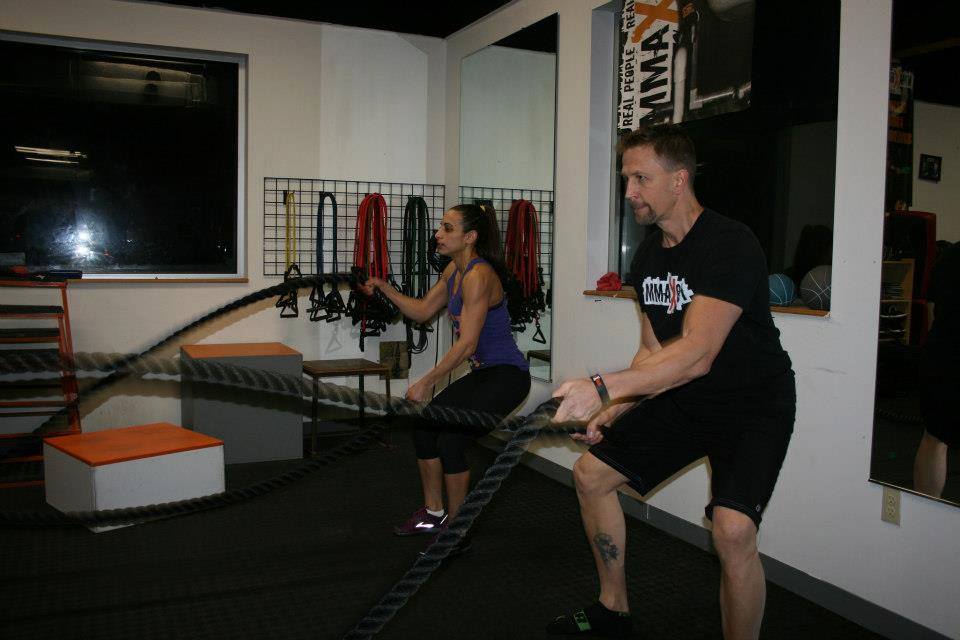


 Fitness at its finest MMAX Out