General Firearms Safety Rules
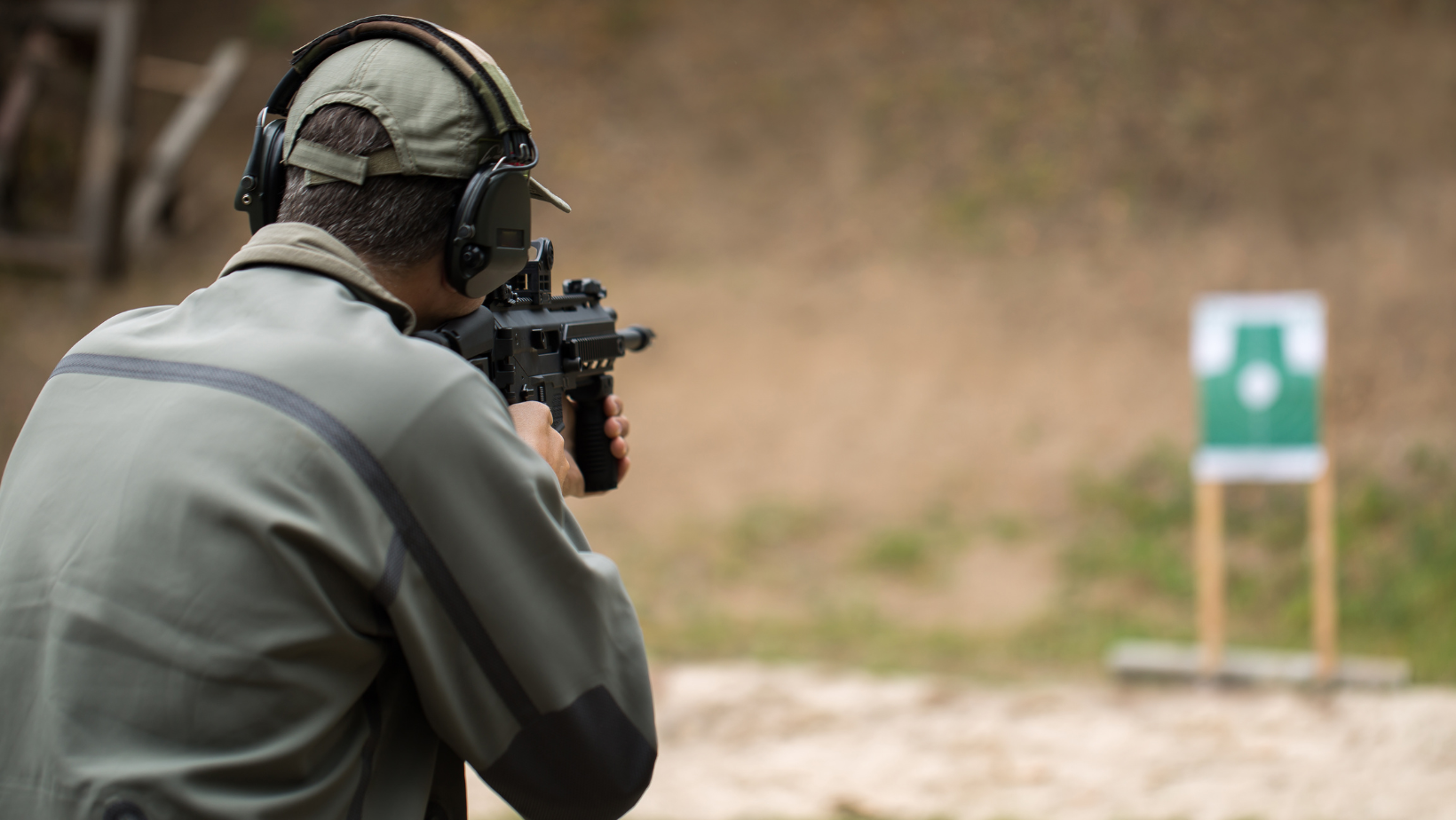
Shooting range firearm rules can vary depending on the specific range, whether it’s indoor or outdoor, public or private, and the local laws or policies in place. However, there are common safety and operational rules that most ranges enforce to ensure the safety of all participants. Below is a general overview of typical firearms rules at shooting ranges, based on widely accepted standards and practices:
These foundational rules are universal and typically posted at ranges:
- Treat Every Firearm as if It’s Loaded: Always assume a gun is ready to fire, even if you believe it’s unloaded.
- Keep the Muzzle Pointed in a Safe Direction: Firearms must remain pointed downrange (toward the targets and backstop) at all times to prevent accidental harm.
- Keep Your Finger Off the Trigger: Do not touch the trigger until you are on the firing line, aiming at your target, and ready to shoot.
- Know Your Target and What’s Beyond It: Ensure your bullets will strike the intended target and be safely stopped by the range’s backstop or berm.
Common Shooting Range-Specific Rules
These rules often supplement the basic safety principles and address range operations:
- Firearms Must Be Unloaded When Not in Use: Guns should be unloaded, with actions open (e.g., slides locked back or bolts open), when brought to or from the range or when not actively firing.
- Case/Uncase Firearms Only at the Firing Line: Many ranges require firearms to be cased or holstered when entering or leaving, and only uncased or handled in designated shooting stalls or lanes.
- Obey Range Commands: Range Safety Officers (RSOs) or staff may issue commands like “Cease Fire,” “Range is Hot,” or “Range is Cold.” These must be followed immediately:
- Cease Fire: Stop shooting, unload your firearm, open the action, and step back from the line.
- Range is Hot: Firing is permitted after confirming no one is downrange.
- Range is Cold: No one may handle firearms while others are downrange (e.g., setting up targets).
- Eye and Ear Protection Required: Shooters and observers must wear appropriate protective gear at all times on the range.
- No Handling Firearms During a Cold Range: When people are downrange, firearms must remain untouched, unloaded, and grounded (e.g., on the bench with actions open).
- Stay Behind the Firing Line: Only shooters actively firing may be at the line; no one is allowed forward of it unless the range is cold.
Ammunition and Firearm Restrictions
- Approved Ammunition Only: Many ranges prohibit tracer, incendiary, armor-piercing, or steel-core ammunition due to fire hazards or damage to backstops. Some indoor ranges require full metal jacket (FMJ) ammo and ban reloaded or hand-loaded rounds.
- Caliber Limits: Restrictions may apply (e.g., no .50 BMG or centerfire rifles over a certain caliber at some ranges).
- No Fully Automatic Fire: Unless specifically allowed (e.g., at ranges with special permits), full-auto firing is often prohibited.
- Rental Firearms: If using range-provided guns, you may be required to use their ammunition to ensure compatibility and safety.
Behavioral and Operational Rules
- No Alcohol or Drugs: Possession or use of intoxicating substances is strictly forbidden, and anyone appearing impaired will be removed.
- Age Restrictions: Minors (often under 18) must be accompanied by an adult, with minimum age requirements (e.g., 10 or 13) for shooting.
- One Shooter Per Lane: Typically, only one person may shoot per lane at a time, though some ranges allow a coach or observer.
- No Rapid Fire (Sometimes): Some ranges enforce a minimum time between shots (e.g., 1-3 seconds) to maintain control and safety.
- Approved Targets Only: Paper or cardboard targets are standard; photorealistic human images, bottles, cans, or other objects may be banned.
- Clean Up After Yourself: Shooters are often responsible for collecting brass (spent casings), removing targets, and disposing of trash.
Range-Specific Variations
- Indoor Ranges: May prohibit drawing from holsters, restrict calibers to prevent backstop damage (e.g., no rifles over .223), or ban shotguns unless using slugs.
- Outdoor Ranges: Might allow more flexibility (e.g., holster draw with certification) but enforce stricter rules on ammunition or target placement to keep rounds within the range.
- Public vs. Private: Public ranges (e.g., state-managed) may require permits or licenses (like a hunting license), while private ranges might have membership rules or stricter oversight by RSOs.
Consequences of Violations
- Range staff or RSOs have the authority to inspect firearms, enforce rules, and remove violators. Unsafe behavior can lead to ejection, fines, or legal action, depending on the facility and jurisdiction.
If you have a specific range in mind, let me know its name or location, and I can tailor the response further by searching for its exact rules. For now, these reflect the standard practices you’d encounter at most shooting ranges as of March 7, 2025. Always check the posted rules at your chosen range before shooting, as they take precedence.
 Fitness at its finest MMAX Out