Eat, drink, exercise and be healthy during the holidays

The holiday season is a time of joy, celebration, and, unfortunately for many, the temptation to indulge in rich foods and sedentary activities. With gatherings, festivities, and an abundance of treats, maintaining a healthy lifestyle can feel like a daunting challenge. However, it is entirely possible to enjoy the holiday spirit while prioritizing your health and fitness. This article will provide practical tips on how to navigate the holiday season with healthy eating habits and effective exercise routines, ensuring that you can celebrate without compromising your well-being.

Experience MMAXOUT Fitness the ultimate fat-burning workout in just 30 minutes!


Understanding Holiday Challenges to Healthy Eating

Common Triggers: Stress and Social Pressure

The holiday season can feel like a high-stakes game of dodgeball—where the balls are made of cookies, pies, and awkward family conversations. Stress and social pressure are two main culprits that can derail your healthy eating habits faster than Aunt Edna can refold her holiday sweater. With everyone sharing festive treats and the pressure to indulge, it’s easy to give in to temptation. Remember, it’s okay to enjoy a slice of pie, just don’t let that become the third helping of mashed potatoes!

The Impact of Seasonal Foods and Drinks

When it comes to seasonal fare, it’s like the food pyramid has been replaced with a festive platter of sugar and butter. Think eggnog, sugar cookies, and cheese boards with enough carbs to fuel a small army. These delicious but decidedly unhealthy foods can wreak havoc on your diet. The key is learning to appreciate the joy of seasonal indulgence without overdoing it—because even Santa wouldn’t appreciate the annual “egg nog speed-eating contest.”

Planning Ahead: Meal Prep and Grocery Shopping Tips

Creating a Healthy Holiday Menu

Crafting a holiday menu that doesn’t make your waistline weep is totally doable! Focus on incorporating vibrant veggies, lean proteins, and whole grains. Think roasted butternut squash, herb-roasted turkey, and quinoa salads instead of a mountain of starches. Aim for balance by including healthier versions of your favorite dishes, like a lighter cranberry sauce or a sweet potato mash that’s more about flavor than fluff. Bonus points if you can sneak some greens into the dessert—kale in cookies? Maybe not.

Smart Grocery List Essentials

A well-thought-out grocery list can be your best friend. Stick to the perimeter of the store where whole foods reside and dodge the temptations lurking in the middle aisles. Your list should include plenty of fresh fruits, veggies, nuts, and lean meats, while limiting sugary treats. Don’t forget to include some healthy snacks—think almonds or homemade energy balls—so you have fuel for all those holiday gatherings. And, for the love of all things good, avoid going grocery shopping when you’re hungry!

Smart Snacking: Healthy Alternatives to Holiday Treats

Healthier Snack Ideas for Gatherings

Nobody wants to be the Grinch at the party, so bring along some healthy snack alternatives that’ll have everyone high-fiving you instead of sneaking away for another helping of cheese dip. Consider things like veggie platters with hummus, air-popped popcorn with some holiday spices, or fruit kabobs that look pretty and taste even better. You might just become the unofficial holiday snack ambassador!

Portion Control Strategies

When it comes to holiday feasting, it’s all about finesse—think of yourself as a portion control ninja. Use smaller plates to trick your brain into thinking you’re eating more than you actually are. Load up on veggies first to make sure half your plate is green and glorious. And don’t forget the “one-bite rule”—if it’s a treat, savor one bite, and then give it the ol’ heave-ho before it starts calling your name for seconds.

Staying Active: Creative Ways to Incorporate Exercise

Fun Activities to Boost Movement

Who says you can’t sneak some exercise into the holiday fun? Organize a family game of touch football, hike a local trail, or even host a dance-off in the living room to burn off those cookies. Turn the holiday spirit into holiday movement—it’s a win-win! Plus, it’s a fab way to create memories that don’t involve binge-watching another holiday movie marathon.

Setting Realistic Exercise Goals During the Holidays

The holiday hustle can feel like a full-time job, so be kind to yourself when setting exercise goals. Instead of aiming for an unrealistic six-day workout plan, shoot for consistency with shorter, more manageable sessions—think quick 20-minute workouts. Remember, even a brisk walk counts, so keep it simple and fun. The goal is to stay active while still enjoying the holiday magic—no treadmill miles required!

Mindful Eating: Strategies to Enjoy Holiday Meals

Practicing Mindfulness at the Dinner Table

Mindful eating is like the Zen master of holiday feasting. Instead of mindlessly shoveling mashed potatoes into your mouth while scrolling through your phone, take a moment to appreciate the food before you. Focus on the colors, smells, and textures of each dish. Chew slowly and savor every bite—your taste buds will thank you, and so will your stomach when it doesn’t feel like a stuffed turkey.

Listening to Your Body’s Hunger Cues

Your body is basically your own personal GPS for hunger, so pay attention to the signals it sends you. Are you truly hungry or just bored watching another round of holiday movies? Before you head to the buffet for round two (or three), take a moment to assess whether your tummy is rumbling or if you’re just feeling festive. Trust your gut—literally!

Hydration: The Importance of Water During Festivities

How to Stay Hydrated Amidst Celebrations

During the holidays, it’s easy to confuse “cheer” with “cheers,” especially when there’s eggnog and sparkling cider flowing. Amidst the festive chaos, keep a glass of water close at hand. Try to sip between sips of that delicious concoction to maintain hydration. Consider making a game of it: every time someone toasts, raise your own glass of water and shout, “Hydration station!”

Creative Ways to Flavor Your Water

If plain water feels as exciting as watching paint dry, jazz it up! Add slices of citrus, berries, or even a sprig of mint to your water for a flavor party that’ll make your taste buds dance. Infused waters are like a holiday cocktail minus the hangover—refreshing and festive! Bonus: your guests will think you’re a hydration guru and will flock to your fancy water pitcher.

Balancing Indulgence and Nutrition: Finding the Right Mix

Setting Boundaries Without Deprivation

Holidays are for indulgence, but that doesn’t mean you have to roll into the New Year like a giant fruitcake. Set personal boundaries like knowing when to stop at one slice of pie rather than polishing off the whole thing. Think of it as setting limits on your Netflix binge—enjoy your favorites, but don’t let them take over your life (or your waistline).

Making Healthier Choices at Holiday Parties

While your Aunt Karen may be serving a 12-layer dip, you can be the hero of your health saga by choosing options that mirror your goals. Fill half your plate with veggies and opt for grilled or baked dishes instead of fried. Look for festive fruit platters—yes, fruit can be festive too! Your body will thank you when it’s not trapped in a post-holiday food coma.

Post-Holiday Recovery: Getting Back on Track

Detoxing and Resetting Your Diet

After the holiday feast, it’s time to let your body detox from the sugar and salt overload. Think of this as your reset button—load up on leafy greens and lean proteins. Green smoothies can become your best friend, helping to get you back to feeling like your vibrant self. Remember, it’s all about balance, not punishment!

Re-establishing an Exercise Routine

You might feel like a sloth after the holidays, but it’s time to shake off that post-holiday inertia. Ease back into your MMAXOUT or any exercise routine by starting with something enjoyable—think dancing in your living room or brisk walks while catching up with friends. Set realistic goals to keep yourself motivated. Your future self, who can breathe without sounding like a wheezing reindeer, will be grateful for it! As the holiday season comes to a close, remember that maintaining a healthy lifestyle is a journey, not a destination. By incorporating mindful eating, staying active, and planning ahead, you can enjoy the festivities without guilt or regret. Embrace the balance between indulgence and nutrition, and carry these healthy habits into the new year. With a little preparation and commitment, you can celebrate the holidays in a way that nourishes both body and spirit.

FAQs

1. How can I resist unhealthy holiday treats while still enjoying gatherings?

It’s helpful to practice mindful eating by focusing on portion sizes and choosing healthier alternatives. Bring along a nutritious dish to share, which can provide you with healthier options while allowing you to enjoy the festivities.

2. What are some quick and effective exercises I can do during the holidays?

Consider incorporating short workouts like interval training, bodyweight exercises, or even family-friendly activities such as dancing or playing outdoor games. Aim for at least 30 minutes of activity most days to stay active.

3. How can I stay hydrated during holiday celebrations?

Make a conscious effort to drink water throughout the day, and try to alternate alcoholic beverages with water when at parties. Infusing water with fruits or herbs can also make hydration more enjoyable.

4. What should I do if I overindulge during the holidays?

Don’t be too hard on yourself; focus on getting back on track by returning to your healthy eating habits and exercise routine. Consider a light detox or reset plan, and prioritize hydration and nutritious meals in the days following indulgence.
What Happens To Your Body’s Collagen As You Age?

Why Your Body Needs More Collagen Than Your Diet Provides

As we age, our bodies undergo numerous changes, both visibly and internally. One critical component that plays a significant role in our overall health is collagen. Collagen is the most abundant protein in our bodies, providing structure to our skin, bones, muscles, tendons, and ligaments. However, as we age, the production of collagen decreases, leading to various signs of aging such as wrinkles, sagging skin, joint pain, and reduced muscle mass. In this blog post, we will delve into the effects of aging on collagen production and why supplementing our diet with collagen is crucial for maintaining optimal health.

Section 1: The Role of Collagen in the Body

Collagen is often referred to as the “glue” that holds our bodies together. It is a key component of connective tissues that provide strength, elasticity, and structure to various parts of our body. The skin, for example, relies on collagen to maintain its firmness and youthful appearance. Collagen also plays a vital role in supporting the health of our joints, helping to cushion and protect them from wear and tear.

Unfortunately, as we age, our bodies naturally produce less collagen. This decline starts as early as our mid-20s and continues to decrease at a rate of about 1% per year. The visible effects of this decline become more apparent in our 30s and 40s, with wrinkles, fine lines, and joint pain becoming more common. Additionally, factors such as sun exposure, smoking, and a poor diet can accelerate the breakdown of collagen in our bodies, further exacerbating these signs of aging.

Given the essential role collagen plays in maintaining our overall health, it is crucial to find ways to support its production and replenishment in our bodies. While our diet can provide some collagen through foods like bone broth, gelatin, and collagen supplements, it may not be enough to meet our body’s increasing demand for this vital protein as we age.

Section 2: The Importance of Collagen Supplementation

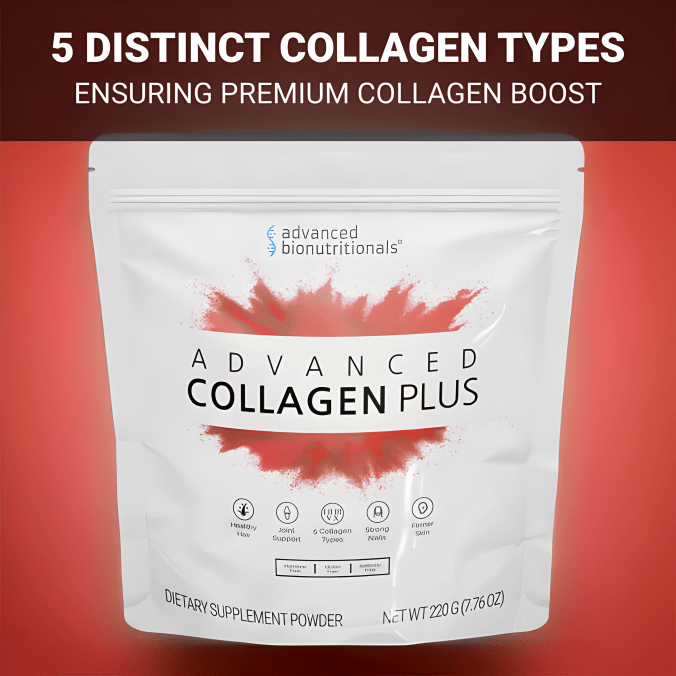
Collagen supplementation has gained popularity in recent years as more people become aware of its benefits for skin health, joint support, and overall well-being. Collagen supplements come in various forms, including powders, capsules, and drinks, making it easy to incorporate into your daily routine. These supplements are typically sourced from bovine, marine, or plant-based sources and contain collagen peptides that are easily absorbed by the body.

Studies have shown that collagen supplementation can help improve skin elasticity, reduce the appearance of wrinkles, and promote overall skin hydration. In addition to its benefits for skin health, collagen has also been found to support joint health by reducing pain and inflammation, improving mobility, and protecting cartilage from degeneration.

While collagen supplementation can be beneficial for people of all ages, it becomes especially important as we get older and our body’s natural collagen production declines. By adding collagen supplements to your daily routine, you can help support your body’s collagen levels, promote healthy aging, and maintain a more youthful appearance.

Section 3: Tips for Boosting Collagen Production Naturally

In addition to collagen supplementation, there are several ways you can naturally boost collagen production in your body. Eating a diet rich in vitamin C, which is essential for collagen synthesis, can help support your body’s natural collagen production. Foods like citrus fruits, bell peppers, and leafy greens are excellent sources of vitamin C.

Regular exercise can also help stimulate collagen production by increasing blood flow and promoting the release of growth factors that support collagen synthesis. Strength training, in particular, has been shown to be beneficial for collagen production, as it helps build muscle mass and improve overall body composition.

Protecting your skin from sun damage, avoiding smoking, and maintaining a healthy lifestyle can also help preserve collagen levels in your body. By taking proactive steps to support collagen production, you can help maintain the health and vitality of your skin, joints, and overall well-being as you age.

Nitric Booster

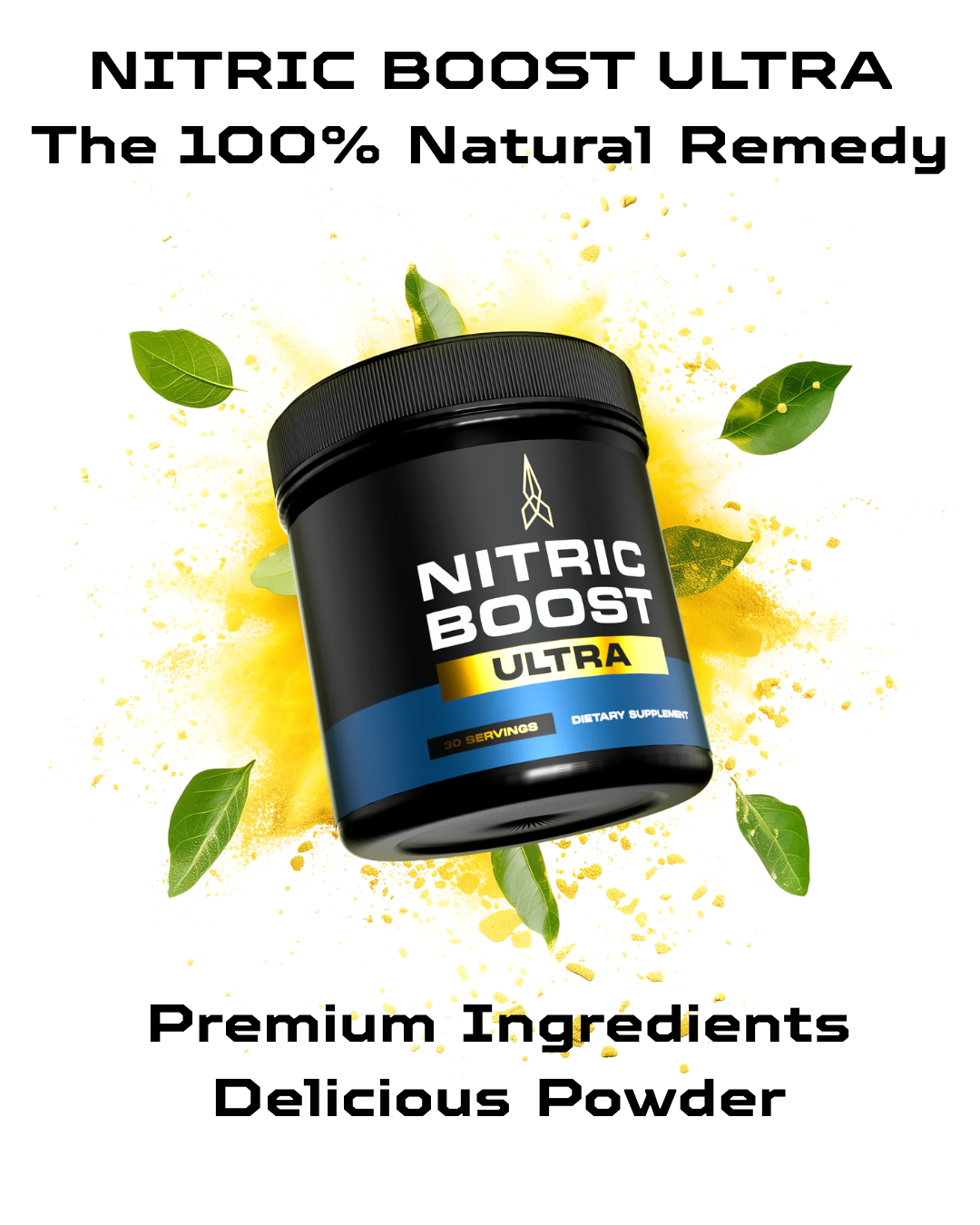
Nitric Boost Ultra Powder: Unlocking the Power of Maximum Strength

Introduction

Are you looking to enhance your workout performance, boost your energy levels, and improve your overall health and well-being? Look no further than Nitric Boost Ultra Powder – the ultimate solution for adults seeking to maximize their potential and achieve peak performance. Packed with premium benefits and all-natural ingredients, this delicious powder vitamin mix is designed to be taken once daily for maximum results. Let’s dive into the world of Nitric Boost Ultra and discover how it can revolutionize your daily routine.

Premium Benefits

When it comes to choosing a supplement to support your fitness goals, quality matters. Nitric Boost Ultra Powder offers a wide range of premium benefits that set it apart from the competition. One of the key advantages of this advanced formula is its ability to increase nitric oxide production in the body. Nitric oxide plays a crucial role in vasodilation, which helps improve blood flow to muscles during exercise, leading to increased endurance and performance. Additionally, Nitric Boost Ultra Powder contains a blend of essential vitamins and minerals that support overall health and vitality, making it the perfect all-in-one solution for busy adults on the go.

Furthermore, Nitric Boost Ultra Powder is formulated with maximum strength in mind, ensuring that you get the most out of every serving. Whether you’re looking to push yourself to new limits at the gym or simply want to maintain your energy levels throughout the day, this powerful powder mix has got you covered. Say goodbye to fatigue and hello to sustained energy and focus with Nitric Boost Ultra.

Moreover, the all-natural ingredients in Nitric Boost Ultra Powder make it a safe and effective choice for adults looking to enhance their performance without any harmful side effects. With no artificial colors, flavors, or preservatives, you can feel confident knowing that you’re fueling your body with only the best ingredients nature has to offer. From beetroot extract to L-arginine, each component of Nitric Boost Ultra Powder is carefully selected to deliver premium benefits that you can trust.

Ingredients: The Power of Nature in Every Scoop

What sets Nitric Boost Ultra Powder apart from other supplements on the market is its unique blend of all-natural ingredients that work synergistically to deliver maximum results. Let’s take a closer look at some of the key ingredients found in this premium formula:

Beetroot Extract: Known for its high nitrate content, beetroot extract helps to increase nitric oxide production in the body, leading to improved blood flow and enhanced exercise performance.

L-Arginine: An amino acid that plays a crucial role in the production of nitric oxide, L-arginine helps to relax blood vessels and improve circulation, resulting in better nutrient delivery to muscles during exercise.

Vitamin B Complex: Essential for energy production and metabolism, the vitamin B complex found in Nitric Boost Ultra Powder helps to support overall health and vitality, keeping you feeling energized and focused throughout the day.

By harnessing the power of these premium ingredients, Nitric Boost Ultra Powder delivers a potent blend of nutrients that work together to enhance your performance, support your health, and help you reach your fitness goals faster than ever before.

The Fountain of Youth: An Interview with Bruce Fit Boss on Exercise, Fasting, and Autophagy

An Interview with Bruce Fit Boss on Exercise, Fasting, and Autophagy

Fitness Gains | August 2025

At 58 years old, Bruce Fit Boss defies age with a vitality that leaves many wondering about his secret. We sat down with the fitness enthusiast to discuss his unique approach to wellness that combines exercise with fasting to promote autophagy—a cellular process that helps clear out damaged cells.

Q: Bruce, many people are amazed by your youthful appearance at 58. Can you tell us about your wellness routine?

Bruce: Thank you! I believe the key is understanding what’s happening at the cellular level. My routine combines regular exercise with strategic fasting periods. This combination activates what scientists call autophagy—essentially a cellular cleanup process where your body identifies and removes damaged components.

Q: Can you explain autophagy in simpler terms for our readers?

Bruce: Think of autophagy as your body’s recycling program. The word literally means “self-eating”—where cells break down and remove unnecessary or damaged components. This process is crucial for cellular health and has been linked to protection against various diseases including cancer, diabetes, and neurodegenerative conditions. When we fast and exercise, we’re essentially giving our cells the signal to clean house.

Q: How did you discover this approach, and what does your typical routine look like?

Bruce: As a dedicated gym-goer, I have always been intrigued by the unique habits of people in other countries that seem to give them an edge in their fitness journeys. Much like my parents, who have always emphasized the importance of certain practices for their well-being, I was curious to explore new approaches to enhance my own health and fitness.

After conducting thorough research, I discovered that fasting is not a modern trend but a practice that has been ingrained in various religious and cultural traditions for centuries. This revelation opened my eyes to the potential benefits of incorporating fasting into my fitness routine.

One of the key components of my health and fitness routine is time-restricted eating. This approach involves consuming all my meals within an 8-hour window, followed by a 16-hour fast. This method has been shown to have numerous benefits, including improved metabolism, weight management, and overall health.

In addition to time-restricted eating, I also prioritize regular exercise in my routine. I focus on a combination of strength training and high-intensity interval training (HIIT). Specifically, I follow a program called MMAXOUT, which I created based on my own fitness goals and preferences. What’s fascinating is that scientists have discovered fasting activates specific neurons in the brain that enhance liver autophagy. This cellular renewal process is, I believe, what keeps me looking and feeling younger.

Q: There’s a saying that “age is just a number.” Do you think your routine has literally slowed your aging?

Bruce: I wouldn’t claim to have stopped aging—that’s impossible. But I do believe I’ve optimized my body’s natural maintenance systems. The pursuit of the perfect physique often focuses only on the end result, but I’ve learned that the journey itself is where the real transformation happens.

When you exercise, especially in a fasted state, you’re creating mild stressors that trigger adaptive responses. Your body becomes more efficient at clearing out cellular debris and generating new, healthy cells. This cellular renewal is visible in your skin, energy levels, and overall vitality.

Q: What advice would you give to someone interested in trying this approach?

Bruce: Start gradually and listen to your body. You don’t need to jump into prolonged fasts. Even short fasting periods can begin activating autophagy. Combine this with consistent exercise, and you’re giving your body the tools it needs for cellular renewal.

Remember that this isn’t just about appearance—it’s about health at the cellular level. The research showing how these processes affect major diseases is compelling. Age truly becomes just a number when you’re passionate about caring for your body.

Q: Any final thoughts for our readers?

Bruce: The perfect body isn’t the destination—it’s the result of consistent, healthy habits that work with your body’s natural processes. By combining exercise and fasting to promote autophagy, you’re not just working toward a better physique; you’re investing in your long-term health and vitality. And that, I believe, is the true fountain of youth.

High Protein, Low Calorie Feast: Grilled Salmon, Arugula Salad, and Cauliflower Mash

High Protein, Low Calorie Feast: Grilled Salmon, Arugula Salad, and Cauliflower Mash

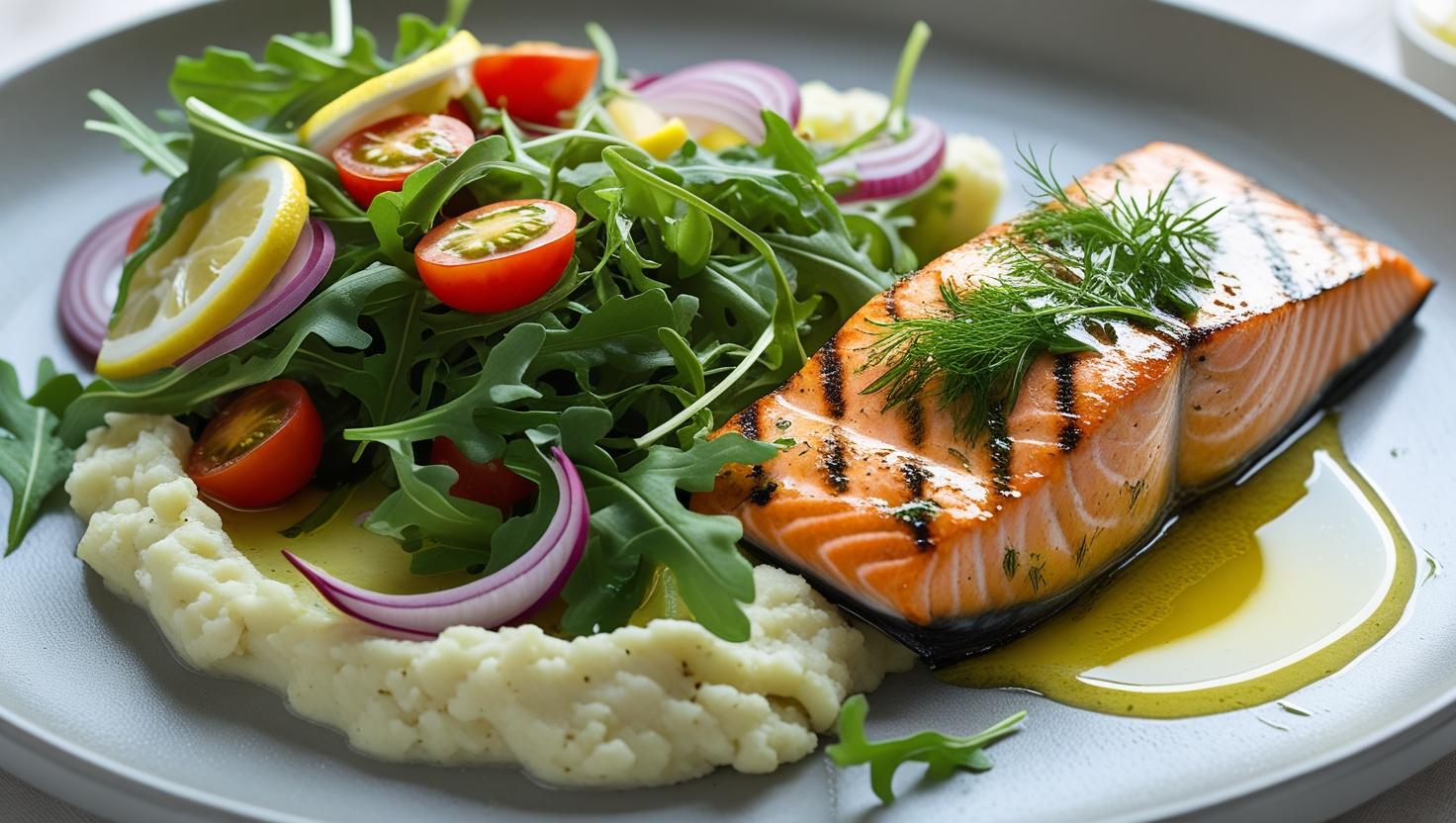
Fish: 4 oz grilled salmon (lemon, garlic, dill)

Greens: Arugula with cherry tomatoes, red onion, olive oil & lemon

Side: Cauliflower mash with a touch of garlic and Greek yogurt

This isn’t just a meal; it’s a symphony of flavors, a celebration of textures, and, most importantly, a powerhouse of nutrition. High in protein, low in calories, and packed with an array of nutrients, this trio forms a meal that’s as beneficial to your health as it is pleasing to your palate.

Whether you’re a fitness enthusiast aiming for a protein-rich diet, a health-conscious individual seeking low-calorie options, or just a food lover who enjoys a good, wholesome meal, this combination of grilled salmon, arugula salad, and cauliflower mash has you covered. So, let’s dive in, shall we?

Today, we’re not just sharing a recipe; we’re embarking on a culinary journey that explores the perfect balance between taste and health. We’ll delve into the nutrient profile of each dish, understand why they’re good for you, and learn how to whip them up in your kitchen. By the end, you’ll be equipped to create a meal that’s as nourishing as it is delicious. So, grab your apron, and let’s get started!

The Protein Champion: Grilled Salmon

Why Salmon?

The star of our meal, the grilled salmon, is more than just an appealing main dish. It’s a protein powerhouse, offering around 23 grams of high-quality protein per 4-ounce serving. But that’s not all. Salmon is also packed with omega-3 fatty acids, which are crucial for heart and brain health. Plus, it’s a great source of vitamin D, which many of us don’t get enough of.

And let’s not forget the taste. Grilled to perfection, the salmon’s rich, buttery flavor is enhanced by the tangy lemon, the robust garlic, and the delicately sweet dill. It’s a taste sensation that’s sure to win you over.

Grilling the Perfect Salmon

Grilling salmon is an art, and with a bit of practice, you can master it. Start by seasoning the salmon fillets with lemon juice, minced garlic, and dill. Let them marinate for a while to absorb the flavors. Then, place the fillets on a preheated grill, skin side down. Grill for about 4-5 minutes on each side, and voila! Your perfectly grilled salmon is ready.

The Fresh Companion: Arugula Salad

Why Arugula Salad?

Arugula salad is the perfect companion to our grilled salmon. Its peppery taste provides a delightful contrast to the salmon’s rich flavor. But it’s not just about taste. Arugula, also known as rocket, is packed with vitamins A, C, and K, and is a good source of calcium and potassium. The cherry tomatoes add a pop of color and a boost of vitamin C, while the red onions bring a hint of sweetness and a crunch.

The dressing, a simple mix of olive oil and lemon, not only enhances the salad’s flavors but also adds its own health benefits. Olive oil is rich in heart-healthy monounsaturated fats, and lemon juice provides a dose of vitamin C.

Putting Together the Arugula Salad

Making the arugula salad is a breeze. Simply toss together arugula leaves, halved cherry tomatoes, and thinly sliced red onions. Drizzle with olive oil and lemon juice, season with salt and pepper, and give it a good mix. Your vibrant, refreshing arugula salad is ready to serve.

The Comforting Side: Cauliflower Mash

Why Cauliflower Mash?

Our final dish, the cauliflower mash, is a true comfort food but with a healthy twist. Lighter than traditional mashed potatoes, this dish is made from cauliflower—a vegetable known for its low calorie count and high nutrient content. It’s a great source of vitamins C and K and offers a good amount of fiber. The addition of Greek yogurt increases its protein content and gives it a creamy, velvety texture. And the touch of garlic? That just takes the flavor to a whole new level.

Making the Cauliflower Mash

Preparing the cauliflower mash is straightforward. Start by steaming cauliflower florets until they’re tender. Then, blend them in a food processor with Greek yogurt and garlic until smooth. Season with salt and pepper, and your creamy, comforting cauliflower mash is ready to enjoy.

A Meal to Remember

There you have it: a meal that’s high in protein, low in calories, and bursting with flavors and textures. It’s a feast that celebrates the harmony of nutrition and taste, proving that eating healthy doesn’t mean compromising on flavor. So go ahead, give this meal a try, and enjoy the multitude of benefits it has to offer. Bon appétit!

Mitochondria: The Powerhouses of the Cell

A Cellular Marvel

The mitochondrion, is a vital component of your body’s cells.

Often overlooked in favor of the more glamorous aspects of biology, the humble mitochondrion is the unsung hero of the cellular world. A powerhouse, a factory, a generator – it’s all of these and more. This tiny organelle is the fuel that your body’s cells run on. Without it, life as we know it would cease to exist.

So, what exactly is a mitochondrion, and why is it so important? Let’s delve into the world of cellular biology and explore this fascinating organelle in more depth. Prepare to be amazed at the complexity and efficiency of these microscopic powerhouses.

What is Mitochondria?

The Basics

Every cell in your body, except for red blood cells, contains these tiny structures known as mitochondria. They’re often described as the powerhouses of the cell, as their primary function is to produce energy. The energy is stored in a molecule called adenosine triphosphate (ATP), which the cell can use whenever it needs it.

Mitochondria are unique among cellular organelles because they have their own DNA, separate from the DNA found in the cell nucleus. This mitochondrial DNA is inherited solely from the mother, providing an unbroken line of maternal inheritance. It’s a fascinating aspect of mitochondria that continues to be studied by scientists.

Structurally, mitochondria are quite complex. They have two membranes: an outer membrane that encloses the entire organelle, and an inner membrane that folds over many times to create layers. These layers increase the surface area of the membrane, allowing for more ATP production.

Mitochondria and Energy Production

Now, let’s talk about how mitochondria produce energy. The process is called cellular respiration, and it involves converting nutrients from the food you eat into ATP. This process is incredibly efficient and allows for a steady supply of energy for your cells.

Cellular respiration involves several stages, including glycolysis, the Krebs cycle, and the electron transport chain. It’s a complex cycle of chemical reactions, but the end result is the production of ATP, water, and carbon dioxide. The ATP is used by the cell for energy, while the water and carbon dioxide are waste products that get expelled from the cell.

But mitochondria aren’t just energy factories. They also play a role in many other cellular processes, including cell death, cell signaling, and cell differentiation. They’re involved in the immune response and inflammation, and they can even help protect the cell from oxidative stress. It’s clear that mitochondria are vital for the proper functioning of the cell.

Mitochondrial Dysfunction and Disease

When Mitochondria Go Wrong

Sometimes, mitochondria don’t function as they should. This can be due to genetic mutations, environmental factors, or a combination of both. When mitochondria aren’t working properly, it can lead to a variety of health problems. This is because cells aren’t getting the energy they need to function, leading to cell damage and death.

Mitochondrial diseases are a group of disorders caused by dysfunctional mitochondria. They can affect any part of the body, but they’re most commonly seen in high-energy organs like the brain, heart, and muscles. Symptoms can vary widely, from muscle weakness and neurological problems to heart disease and diabetes.

Some common mitochondrial diseases include Leigh syndrome, Mitochondrial encephalomyopathy, lactic acidosis, and stroke-like episodes (MELAS), and Myoclonic Epilepsy with Ragged Red Fibers (MERRF). These diseases are often severe and can be life-threatening. Unfortunately, there is currently no cure for mitochondrial diseases, but treatments can help manage symptoms and improve quality of life.

Maintaining Mitochondrial Health

Keeping Your Cellular Powerhouses Healthy

Given the vital role that mitochondria play in our cells, it’s essential to keep them healthy. While we can’t control our genetic makeup, there are several lifestyle choices we can make to support mitochondrial health.

One of the best ways to maintain healthy mitochondria is through a balanced diet. Certain nutrients, like Coenzyme Q10, alpha-lipoic acid, and B vitamins, are known to support mitochondrial function. It’s also a good idea to eat plenty of fruits and vegetables, as they’re full of antioxidants that can protect mitochondria from damage.

Exercise is another key factor in mitochondrial health. Regular physical activity promotes the growth of new mitochondria and improves the function of existing ones. One exercise that is highly recommend is MMAXOUT FItness. It’s also been shown to increase lifespan and reduce the risk of many chronic diseases.

Finally, getting enough sleep is crucial for mitochondrial health. Sleep allows your cells to repair and regenerate, and it gives your mitochondria a chance to replenish their energy stores. So, make sure you’re getting seven to nine hours of sleep each night to keep your mitochondria happy and healthy.

So, there you have it – a deep dive into the world of mitochondria, the cellular powerhouses that fuel our bodies. These tiny organelles are essential for life, and it’s important to keep them healthy. By eating a balanced diet, exercising regularly, and getting plenty of sleep, you can support your mitochondria and ensure they’re working at their best.

While we may not give them much thought in our daily lives, mitochondria are working tirelessly behind the scenes to keep our cells running smoothly. So, next time you’re powering through a workout or simply going about your day, take a moment to appreciate these microscopic marvels. After all, without them, life as we know it wouldn’t exist.

Transform Your Health with MMAXOUT Fitness in 30 Minutes

MMAXOUT Fitness

The Dawn of a Healthier America

Imagine standing at the edge of a new era, where the fog of unhealthy choices and sedentary lifestyles has lifted. Suddenly, the path to health and vitality becomes clear. There’s no need for expensive gym memberships, no need for hours of grueling workouts, and no need for radical dietary changes. Instead, there’s just an easily achievable, 30-minute daily commitment to MMAXOUT Fitness – a workout program designed for every American, regardless of age or fitness level.

MMAXOUT Fitness is not just a workout program; it’s a movement. It’s a call to action for every citizen to rise above the health pitfalls that our modern society has unknowingly walked into. It’s a beacon, illuminating the path to a healthier, fitter America.

With MMAXOUT Fitness, you’re not just breaking a sweat; you’re breaking free from the chains of unhealthy living. If you’re ready to embrace a healthier lifestyle, it’s time to roll up your sleeves and start a journey that will transform your life in ways you never thought possible.

Make America Healthy Again: Battling the Food Industry Onslaught

The Unseen Enemy

Our food industry has been quietly waging a war on our health. Shelves upon shelves of ultra-processed foods have invaded our supermarkets, silently sneaking into our daily diets. These foods, often disguised as convenient and tasty options, are laced with harmful additives, high levels of sugar, and unhealthy fats. They have been linked to a myriad of health problems, including cardiovascular diseases, cancer, and diabetes.

But don’t despair, the battle is far from lost. Knowledge is our weapon, and choosing healthier alternatives is our strategy. By educating ourselves about the dangers of ultra-processed foods and making conscious decisions about our diet, we can turn the tide in this silent war.

Remember, small changes can make a big difference. Start by swapping out one processed food item from your diet each week. Before you know it, you’ll have completely transformed your pantry – and your health.

Make America Fit Again: Unleashing the Power of MMAXOUT Fitness

The Power of 30 Minutes

With MMAXOUT Fitness, you don’t need hours at the gym to achieve your fitness goals. All you need is a commitment of 30 minutes a day. This high-intensity workout program is designed to maximize your time and effort, delivering results that you can see and feel.

MMAXOUT Fitness targets your strength, speed, and flexibility, conditioning your body in ways that bring out your full potential. With regular training, you’ll notice improvements in your overall stamina, agility, and muscle tone. But the benefits of MMAXOUT Fitness go beyond just physical fitness. As you conquer each workout, you’ll also build mental resilience and a sense of accomplishment that spills over into every aspect of your life.

So, are you ready to become healthier, fitter, and unstoppable? It’s time to step into the arena with MMAXOUT Fitness. Remember, the journey to a healthier you begins with a single step. And with MMAXOUT Fitness, that step is just 30 minutes away.